Gold coin selling guide
How Much Are My Gold Coins Worth? A Phoenix Seller's Guide
Maybe you have a gold coin tucked away from a graduation gift. Maybe you've inherited a collection and aren't sure where to start. Before you sell, you want a straight answer: what is it worth, and how do you know an offer makes sense?
The short answer: a gold coin's value depends on its actual gold content, the current gold market, and any premium for the particular coin. Date, mint mark, condition, authenticity, and collector demand can all matter. A melt-value calculation is a useful reference, but it is not a guaranteed cash offer.
You don't need to become a coin expert before visiting a shop. Here's how to understand the numbers, avoid common mistakes, and have a more useful conversation with a gold coin buyer in Phoenix.
First, find out which gold coin you have
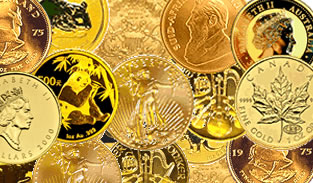
Two coins that look similar can have different gold content or very different collector appeal. Before looking up a price, note:
- The country and design. Is it an American Gold Eagle, a Buffalo, a Maple Leaf, a Krugerrand, or an older coin?
- The year and mint mark. Small details can distinguish a common issue from a scarcer one.
- Any weight or purity markings. Don't assume every gold-colored coin is solid gold.
- The holder or packaging. Keep certification labels, original boxes, and paperwork with the coin.
If you can't identify it, leave it as it is. Our gold coin buying and selling page shows examples of coins we review, including bullion, older U.S. gold, and world gold coins.
Melt value, retail price, and a cash offer aren't the same
This is where an online search can get confusing. You may find three different numbers for what appears to be the same coin:
- Gold melt value
- A reference based on the amount of fine gold in the coin and a gold spot price. It leaves out any collectible premium and the costs involved in buying and reselling the item.
- Retail or collector price
- What a seller asks, or what a comparable coin sells for. A scarce date, desirable grade, or special finish may support a price above its metal content. An unsold listing alone doesn't establish value.
- A dealer's purchase offer
- What a buyer will pay for your particular coin after reviewing it. The offer can reflect current demand, condition, authenticity, resale costs, and the dealer's margin. It may differ from both the melt reference and a retail listing.
For example, PCGS explains that its Price Guide reflects average dealer asking prices for PCGS-graded coins. It is a reference, not a promise that a shop will pay that amount for an ungraded coin that looks similar.
How to estimate your coin's gold melt value
Once the coin and its fine-gold content are confirmed, the basic calculation is straightforward:
Fine-gold content in troy ounces × gold spot price per troy ounce = estimated gold-content value
Use fine-gold content, not simply the weight of the whole coin. According to the U.S. Mint's bullion specifications, American Gold Eagles are 22-karat coins that contain their stated amount of pure gold plus alloy. A one-ounce Gold Eagle therefore contains one troy ounce of fine gold, even though the complete coin weighs more.
Don't apply the purity percentage twice. If an official specification already gives the fine-gold weight, use that figure directly. For an unidentified coin, don't guess from its diameter or use a household scale reading as a final valuation.
| Confirmed fine gold | Calculation | Metal reference |
|---|---|---|
| 1 troy ounce | 1 × $3,000 | $3,000 |
| 1/2 troy ounce | 0.5 × $3,000 | $1,500 |
| 1/4 troy ounce | 0.25 × $3,000 | $750 |
| 1/10 troy ounce | 0.1 × $3,000 | $300 |
These are hypothetical examples, not today's gold price, a price forecast, or a shop offer. They exclude collector premiums and transaction costs. Use a current, time-stamped market reference when comparing actual offers.
Could your gold coin be worth more than its metal?
Possibly. Older U.S. gold, certain dates and mint marks, proof issues, and high-grade coins deserve a closer look. But age alone doesn't make a coin rare, and a holder alone doesn't guarantee a large premium.
Useful comparisons match the coin's type, date, mint mark, finish, and condition. A record auction price for an exceptional specimen is not a reliable estimate for every coin of that design. Look at comparable completed sales, not just the highest asking price you can find.
Please don't polish your coins before bringing them in. Original surfaces can matter to collectors. NGC explains that improper cleaning and other surface problems can prevent a coin from receiving a numeric grade. Leave sealed holders intact and bring any notes or receipts you already have.
If your gold coins are part of a larger inheritance, keep the collection together while you work out what it contains. Our coin collection page covers mixed groups, albums, estate coins, and inherited collections.
Four questions to ask when comparing offers
You don't need to guess whether two quotes mean the same thing. Ask each buyer:
- Which coin and gold content is this based on? Make sure both quotes refer to the same items and quantities.
- Does the offer include any collector premium? Ask whether the date, condition, or certification changes the value.
- What is the total I would actually receive? Clarify any deductions and the payment method before agreeing.
- How long is the offer valid? Gold prices move, so yesterday's estimate may not match today's offer.
A useful explanation should connect the offer to your actual coins. You can ask questions and take time to decide. A high advertised percentage means little unless you know what number it is a percentage of.
Bring your gold coins to our Bell Road shop
At Phoenix Coin and Gold Dealer, we buy and sell gold coins and review items in person. Bring a single coin or a collection as it is. We'll look at what you have and explain the factors behind an offer; you decide whether to accept it.
Bring holders, boxes, certificates, or receipts if you have them, but you don't need to identify every piece first. Call ahead for a large collection so we can discuss the visit. If you also have bars or rounds, see our gold and silver bullion page.
Phoenix Coin and Gold Dealer3539 W. Bell Rd. B1, Phoenix, AZ 85053
(480) 216-6860
Hours: Monday-Friday, 10:00 AM-5:00 PM; Saturday, 10:00 AM-4:00 PM; Sunday closed. Check current hours before making a special trip.
A few more gold coin questions
Is a $50 American Gold Eagle only worth $50?
No. The $50 denomination is its face value, not its gold-market value. A genuine one-ounce American Gold Eagle contains one troy ounce of fine gold. Its selling price depends on the gold market, the particular coin, condition, and demand.
Should I have my gold coins graded before selling?
Not automatically. Grading has costs and takes time. First identify the coins and whether a collectible premium could justify those costs. Keep already-certified coins in their holders; common bullion and potentially rare coins should not be treated as the same decision.
Can an online photo tell me exactly what my coin is worth?
A clear photo of both sides and any holder label can help identify a coin, but it cannot reliably establish authenticity or every condition issue. Treat an online estimate as a starting point. An in-person review is needed before a firm purchase offer.